AI Search Basics
GEO
Learn what Generative Engine Optimization (GEO) is and how it helps increase visibility within AI-generated search experiences.


No credit card needed ✦ 14-day trial on all plans
AI Search Basics
Learn what Generative Engine Optimization (GEO) is and how it helps increase visibility within AI-generated search experiences.
Performance & Analysis
Discover what ghost routes are and why some pages perform well in traditional search while receiving little visibility from AI systems.
AI Platforms
Learn about Gemini, Google's AI platform for conversational search, content generation, and AI-powered assistance.
Freshness signals are the signs that your content is up to date; they are used by AI engines and LLMs in prioritizing and ranking relevant information in fast-moving topics.
Freshness signals refer to indicators that show how up-to-date and recently updated a piece of content is, which AI systems use to determine its relevance and reliability when generating answers.
Freshness signals tell AI tools how “current” your content is. AI systems prefer recent information for many topics, especially news, technology, trends, pricing, and recommendations.
Strong freshness signals increase the chance that your content will be chosen and cited over older, outdated material.
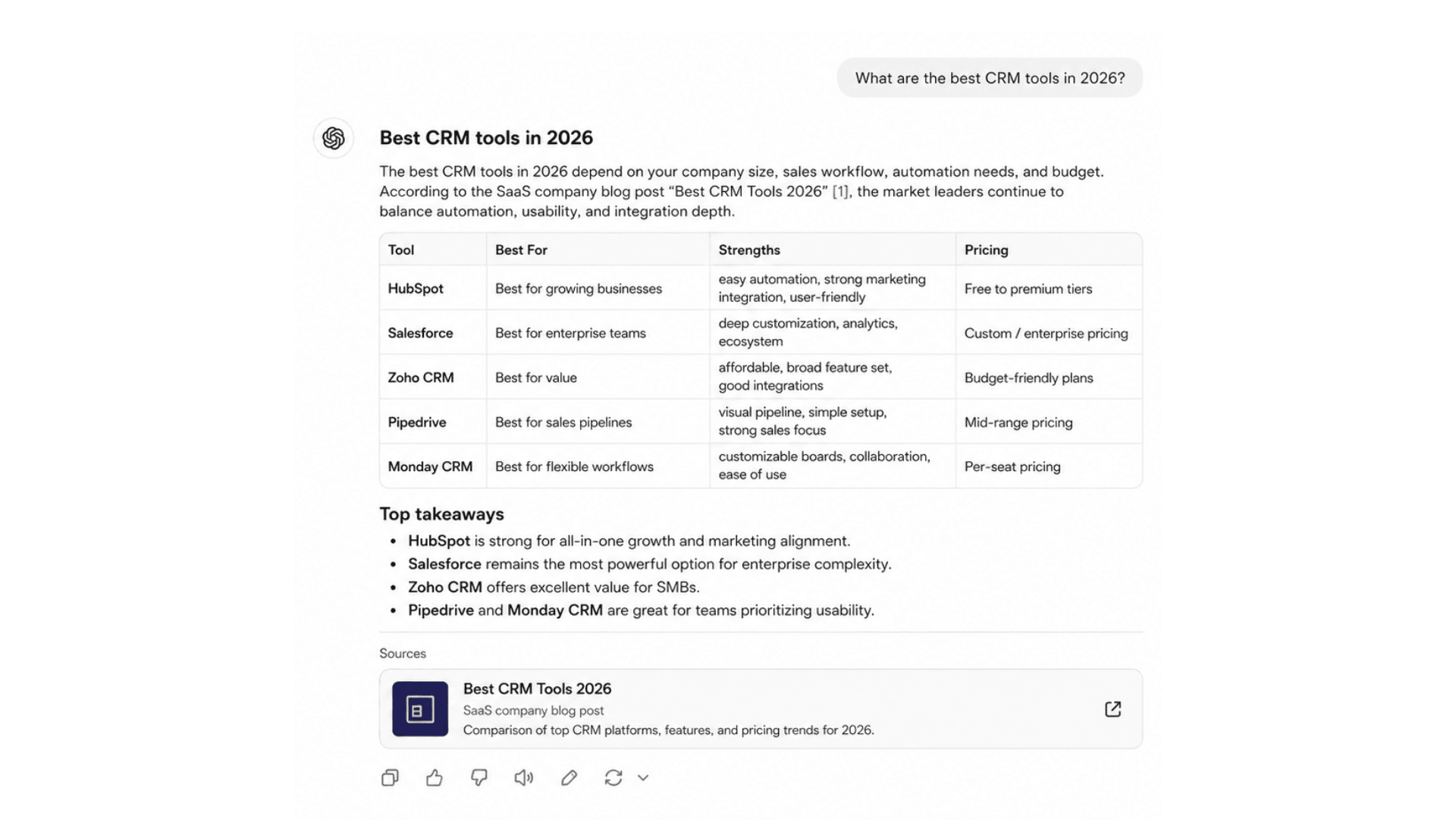
AI systems evaluate freshness using multiple signals to decide how current and relevant content is. Here are key ones they look for:
Publication date. Checks when the content was originally published.
Last updated date. Looks for clear “Last updated” timestamps.
Content changes. Detects meaningful updates, new data, or revised sections.
External signals. Considers recent mentions, social activity, and backlinks.
Relevance to query. Determines if the topic benefits from current information.
Freshness Signals
Authority Signals
Freshness Signals
Authority Signals
Freshness Signals
Authority Signals
Freshness Signals
Authority Signals
Freshness Signals
Authority Signals
Freshness Signals
Authority Signals
Freshness Signals
Authority Signals
Not all topics need strong freshness; evergreen content can still perform well.
AI systems weigh freshness differently depending on the query type (news vs. how-to guides).
Simply adding a “Last updated” date is not enough: meaningful content changes are required.
Freshness works best when combined with strong E-E-A-T and entity signals.
Over-updating low-value content can be counterproductive.
Local businesses benefit significantly from fresh signals on service pages and offers.
To strengthen your freshness signals in AI and increase the likelihood of being cited:
Regularly update high-value pages with new information, statistics, and insights.
Clearly display “Last updated” dates on important articles and guides.
Add new sections, updated data, or current examples when revising content.
Create seasonal or annual content (e.g., “Best Tools 2026”) that you refresh periodically.
Use dynamic elements like recent reviews, current pricing, or live data where appropriate.
Maintain a consistent content update schedule for pillar pages.
Combine freshness with strong structure and E-E-A-T signals for maximum impact.